Service 06 of 7 · Mesa, AZ
Bathroom Tile and Flooring in Mesa, AZ
Tile shows every shortcut, from a hollow sounding edge to a grout line that turns chalky early. This page covers bathroom tile and flooring in Mesa: what the work includes, published ranges, and the waterproofing, grout and layout choices that matter here.
Last updated
01Service area
What does bathroom tile and flooring work include?
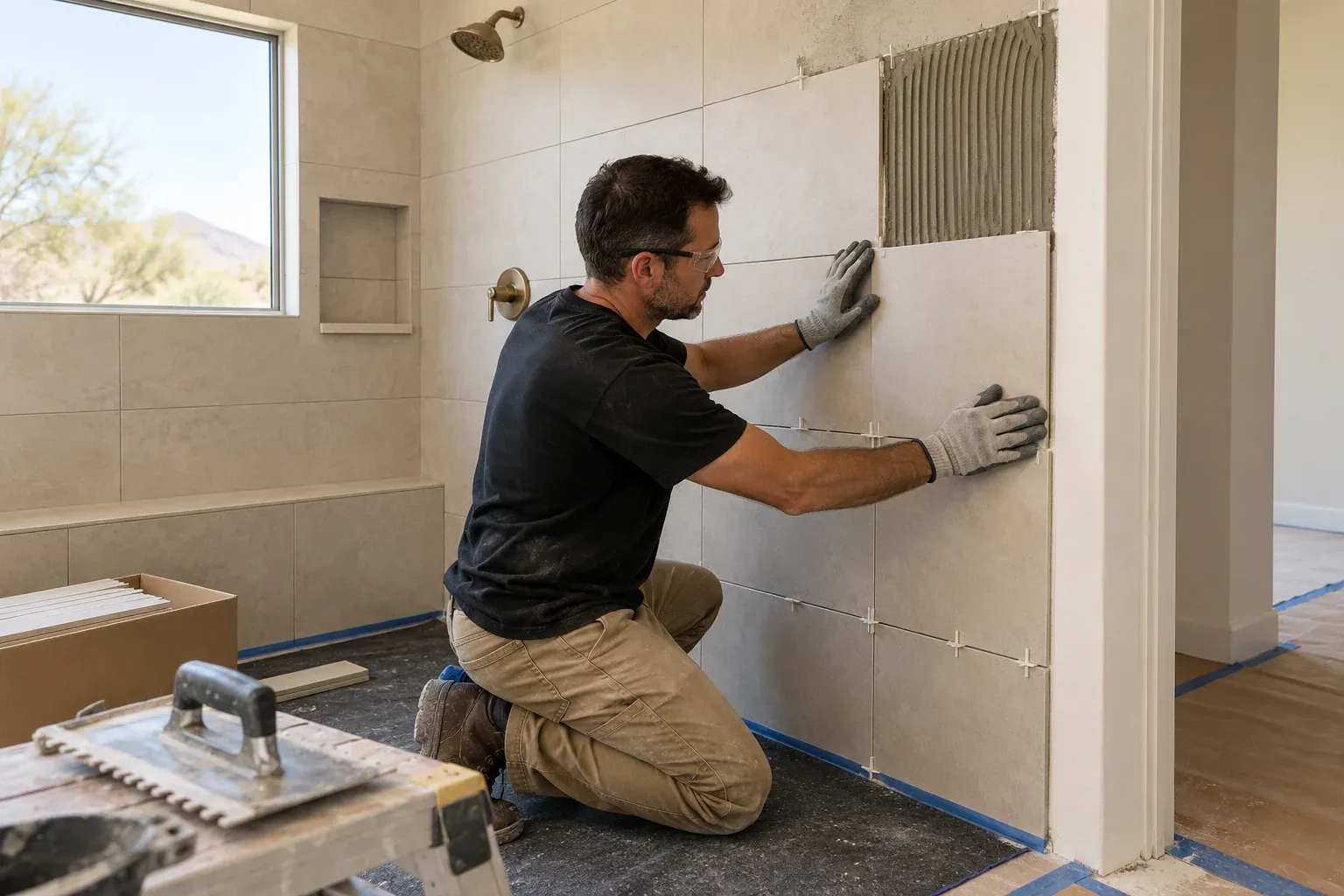
Tile work covers removal of the old surface, repair of what is under it, a flat substrate, layout, setting, grout, and sealant at every corner and fixture. In a shower it also covers waterproofing, the part nobody sees and often the part that fails first.
A typical sequence:
- Tear out tile, backer board and any wet drywall, then check the studs and the subfloor.
- Rough in plumbing or electrical changes while the wall is open, with a City of Mesa permit when required.
- Install a waterproof membrane on walls, curb and pan, band the seams, then flood test the pan.
- Set tile on a flat substrate, grout, seal the joints, and caulk where tile meets tub, vanity or floor.
Floor tile and shower tile are different jobs with different prep. A bid that treats them as one number is short somewhere.
02Costs
What does bathroom tile cost in Mesa?
A national cost guide puts a bathroom retile at $450 to $8,000, average $2,000, with retile costs of $10 to $50 per square foot. That spread is wide because retile covers a floor refresh and a full shower rebuild.
What pushes a job toward the top of the range:
- Tear out of two layers of old tile and the mortar bed under it.
- Waterproofing a shower pan and walls, which is labor, not material.
- Large format tile, which needs a flatter substrate and more cutting.
- A niche, a bench, a curbless entry or a herringbone pattern.
- Moving the drain or the valve, which is plumbing.
Published market ranges, not a quote: the final price is set after an on-site assessment.
03Tile
Which tile fits a Mesa bathroom?
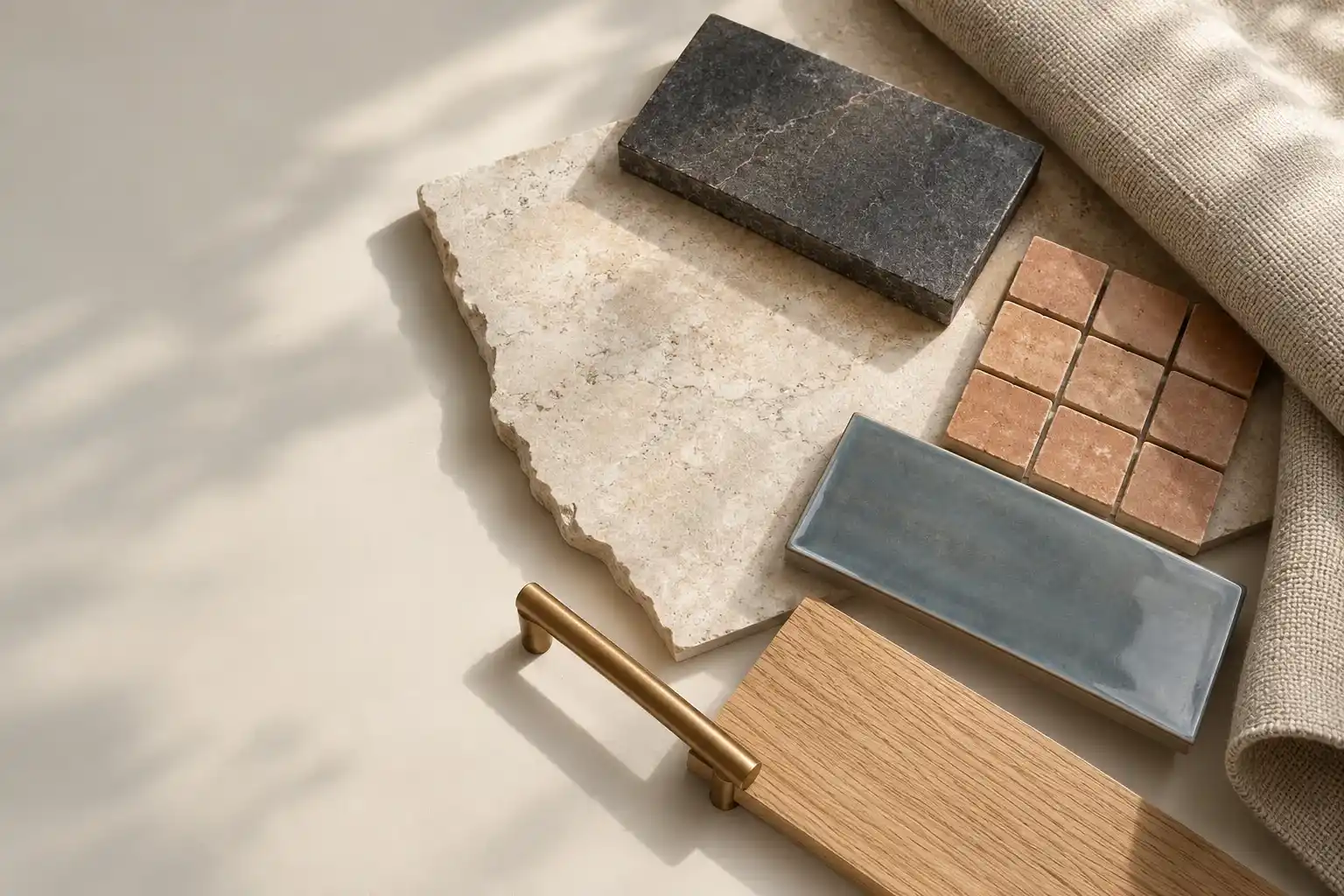
Porcelain fits most Mesa bathrooms. It takes a light grout, holds a matte finish on the floor, and does not care about the minerals in the water. Ceramic is softer and fine on a wall, but it chips at a floor edge. Natural stone looks rich and demands more: sealer every year or two, and no acid cleaner.
How the choices sort out:
- 01
Porcelain, 12 by 24 inches
few grout lines, works on floor and wall.
- 02
Porcelain, small hex or penny
better grip, hides dust, forgiving on an out of square floor.
- 03
Ceramic
budget wall tile for a tub surround.
- 04
Glass accent
a stripe or a niche back, not a whole wall.
In a Dobson Ranch bath, a smaller matte tile is more forgiving than a 24 by 48 slab if the floor is out of square.
04Showers
How is a shower wall waterproofed?
Waterproofing is a system, not a product. Cement backer board is not waterproof on its own, and green drywall is not a shower wall. The assembly sheds water at the surface and stops what gets behind it from reaching the framing.
What a proper shower includes:
- A substrate rated for wet areas, screwed off on a flat plane, joints taped and bedded.
- A waterproof membrane over the substrate, or a sheet membrane, with seams and corners banded.
- A pan with a pre slope under the liner, a liner that runs past the curb, and open weep holes at the drain.
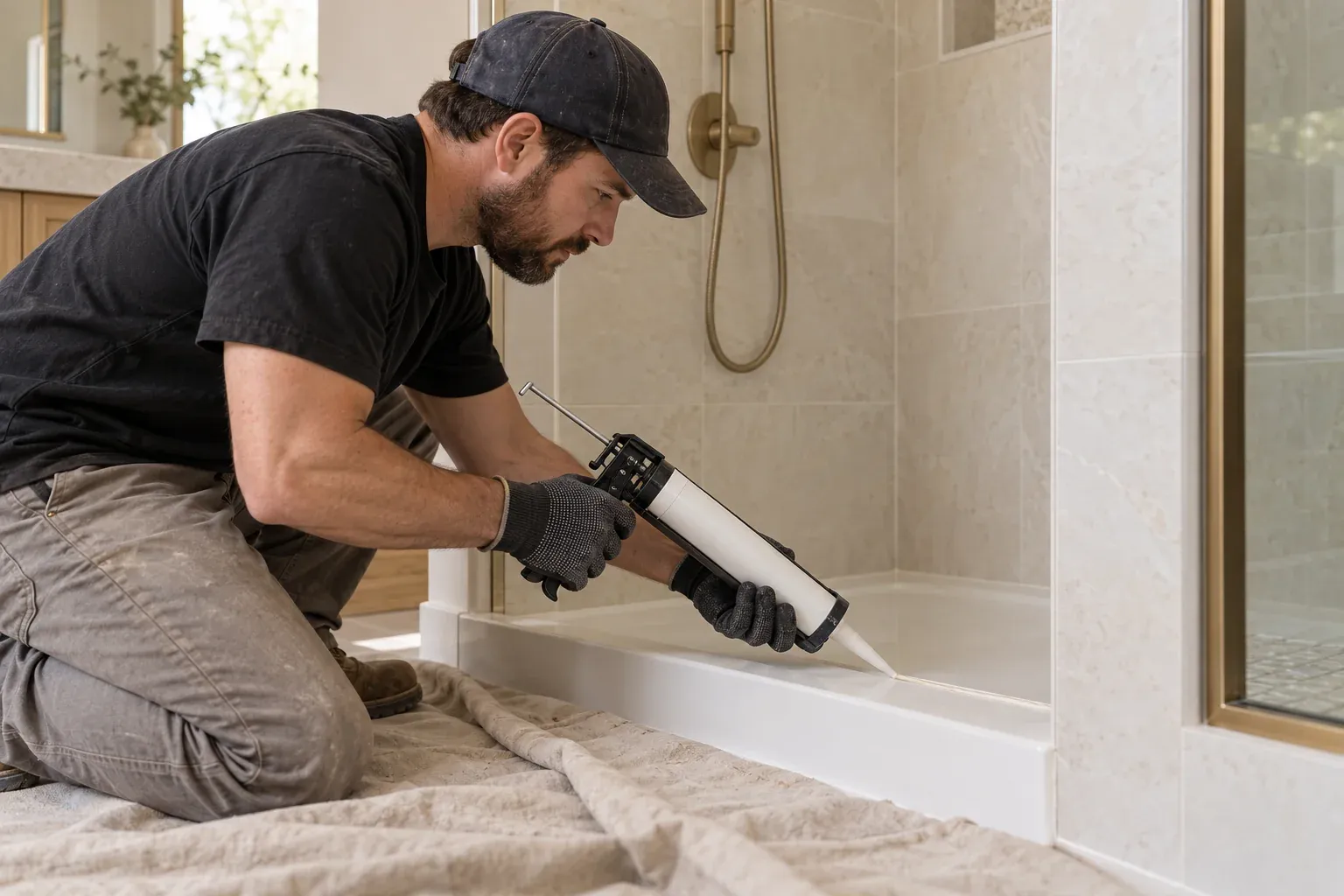
- Sealant, not grout, at every change of plane.
- A waterproofed niche and bench, because both are holes in the system if framed later.
- A flood test of the pan before any tile goes down, which is a direct way to check that the liner is sound.
Interior plumbing changes need a City of Mesa permit, so inspection happens before the wall closes.
05Tile
What grout holds up to Mesa hard water?
Mesa water runs about 12 grains per gallon in the City Zone and about 16 in the Eastern and Southern zones (Mesa 2025 water quality report (opens in a new tab)). At 16 grains, a cement grout line in a shower can collect scale and start to look chalky. Epoxy grout costs more and ignores most of that.
The options:
- 01
Cementitious grout with polymer
standard, cheap, needs sealing, stains.
- 02
Epoxy grout
no sealing, resists scale and soap film, harder to install, higher cost.
- 03
Silicone sealant
only at corners and changes of plane, never as field grout.
Joint width matters more than brand. A 1/16 inch joint in a shower is hard to fill fully and fails early. A 1/8 inch joint takes grout properly and is easier to keep clean. Light grout shows Mesa dust, dark grout shows hard water haze. A mid tone hides both.
06Flooring
What flooring works in a Mesa bathroom?
Porcelain tile is the default for a Mesa bathroom floor. It handles the grit that comes in on shoes, does not care about a wet mop, and holds up to sun through a west facing window. Vinyl plank is the budget alternative, and it shows desert dust first.
What tends to work:
- 01
Porcelain, matte finish, at least a 1/8 inch joint
a long lasting choice.
- 02
Vinyl plank (LVP)
warm underfoot, scratches from grit, can lift at a wet edge.
- 03
Engineered wood
not for a floor with a shower, because steam finds the seams.
- 04
Heated mat under tile
an upgrade that needs a dedicated circuit planned early.
Slip matters more than look. Polished tile on a bathroom floor is a hazard with wet feet, and a matte finish is a common choice.
07Good to know
How are transitions and thresholds handled?
A new tile floor usually sits higher than the old one, and that difference shows at the bedroom carpet, the hall and the closet. Plan the transition before the first tile is set, because fixing it later means cutting tile or lifting a door.
The usual solutions:
- A metal edge profile at the doorway, set with the tile, which covers the cut edge and takes wear.
- A reducer strip where tile meets carpet or wood and the gap is more than a quarter inch.
- Undercut the door and the casing rather than notching tile around them.
- A curb tall enough to hold the pan, unless the job is designed curbless from the framing up.
- A linear drain and a recessed floor for a curbless shower, which is a framing decision, not a tile one.
On a slab, tile height is the finished height for the room. Check door clearance before the tile is ordered.
08Costs
What should I know about tile layout and cuts?
Layout is where a cheap job looks expensive and an expensive tile looks cheap. Tile should start from the most visible wall or the door, not from a corner that happened to be square.
What to expect from a layout plan:
- Full tiles at the door and the main sight line, with cuts at the less visible end.
- No slivers under 2 inches. If the math gives a sliver, shift the start point by half a tile.
- The niche centered on the grid, not cut into the middle of a tile.
- A 1/3 offset for 12 by 24 tile, not a 1/2 offset, to avoid lippage.
- A drawing before setting day, so pattern and cuts are agreed.
A layout drawing shows where the cuts land before setting day.
09Bids and scope
How do I compare tile bids?
Two tile bids can differ by thousands and both be honest. The difference is usually in what the number includes, not in the rate per square foot.
A clear bid states:
- The measured square footage, and whether it includes the shower walls and curb.
- Whether waterproofing is included, and what membrane system is used.
- Whether tear out, haul away and substrate repair are in the number.
- The tile allowance per square foot, and what happens if the selection goes over it.
- Whether the permit and the inspection are in the bid.
A bid with no waterproofing line is not a cheaper shower. It is a shower that gets rebuilt early.
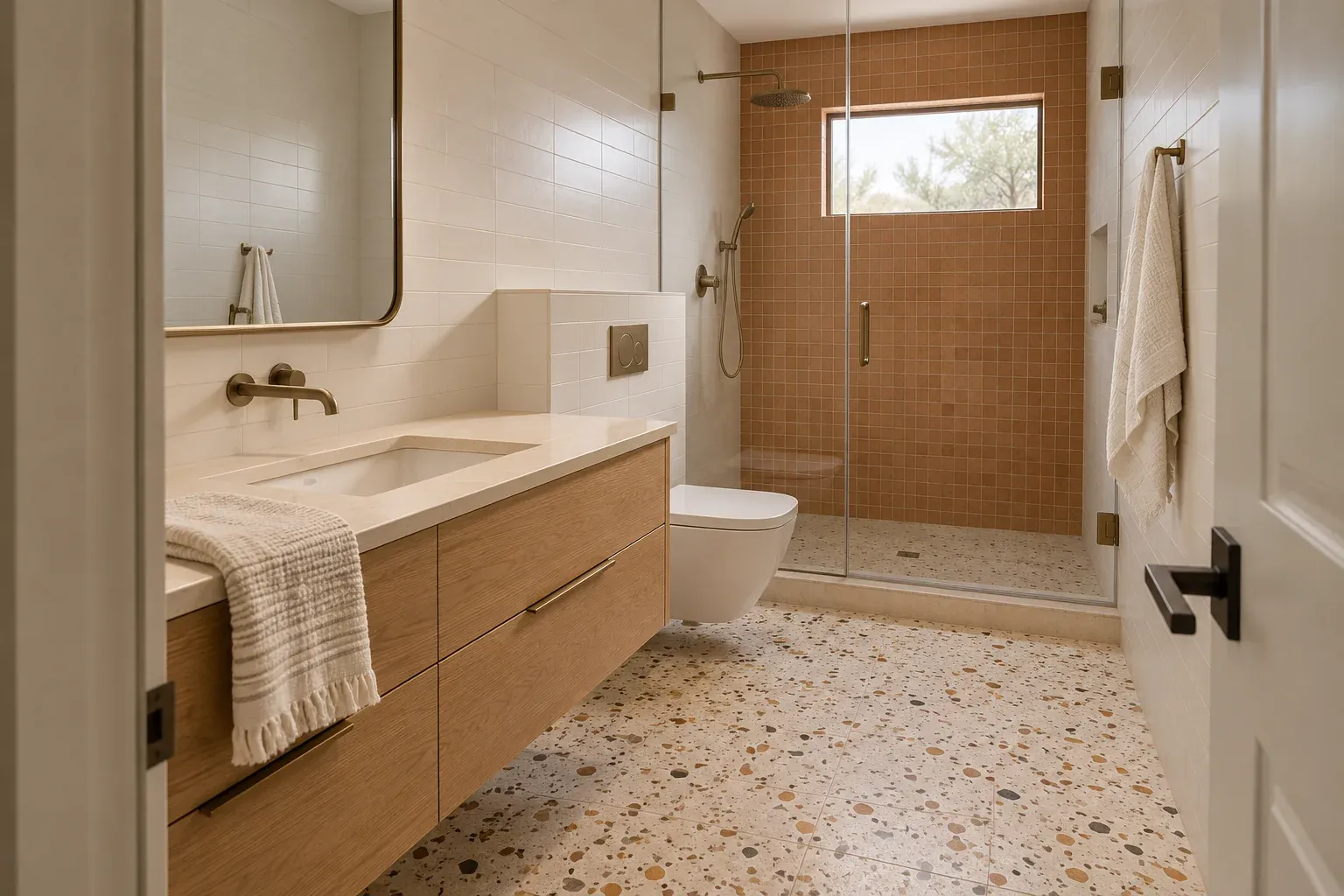
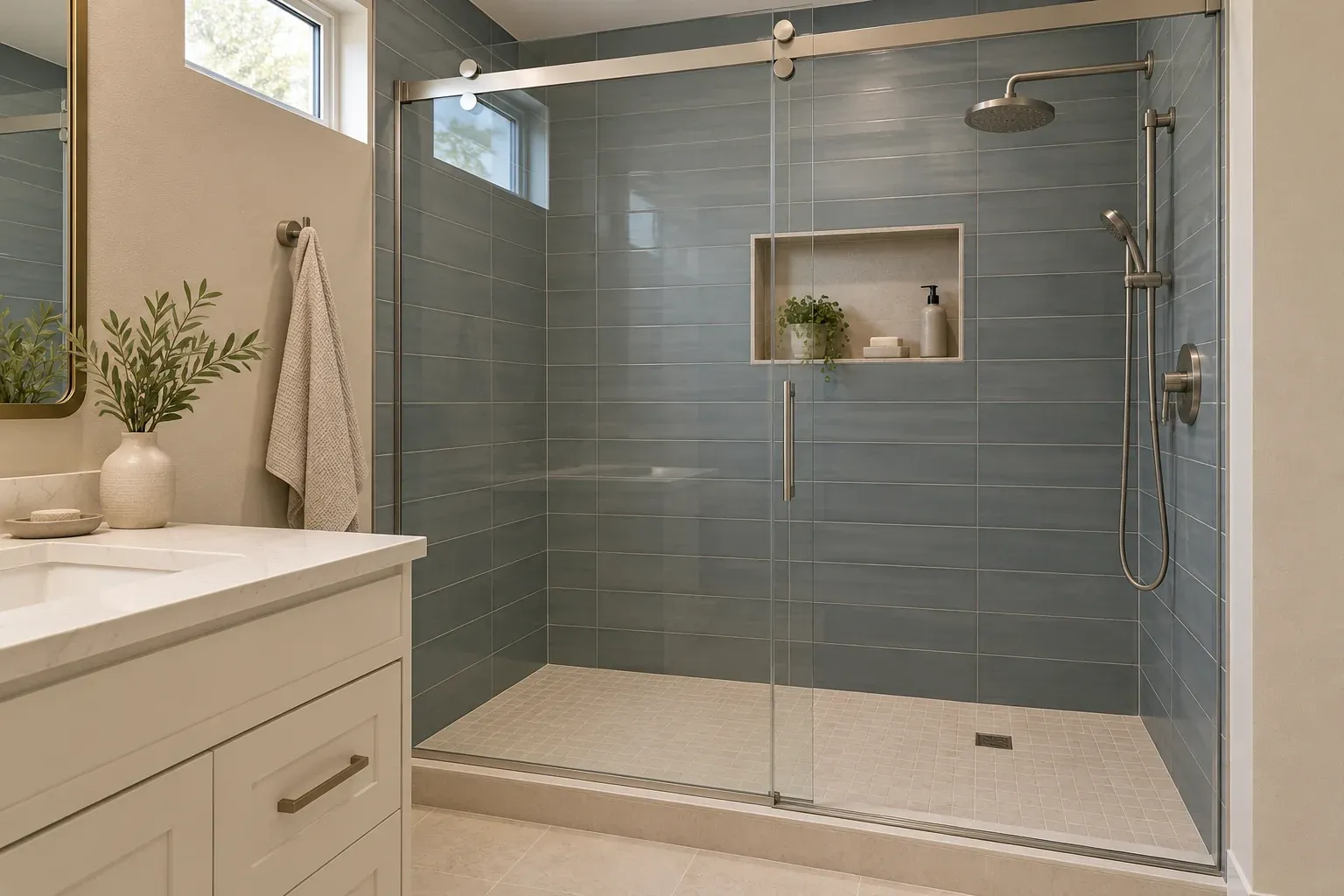
Bath Studio
Build a bathroom. Change it in one tap.
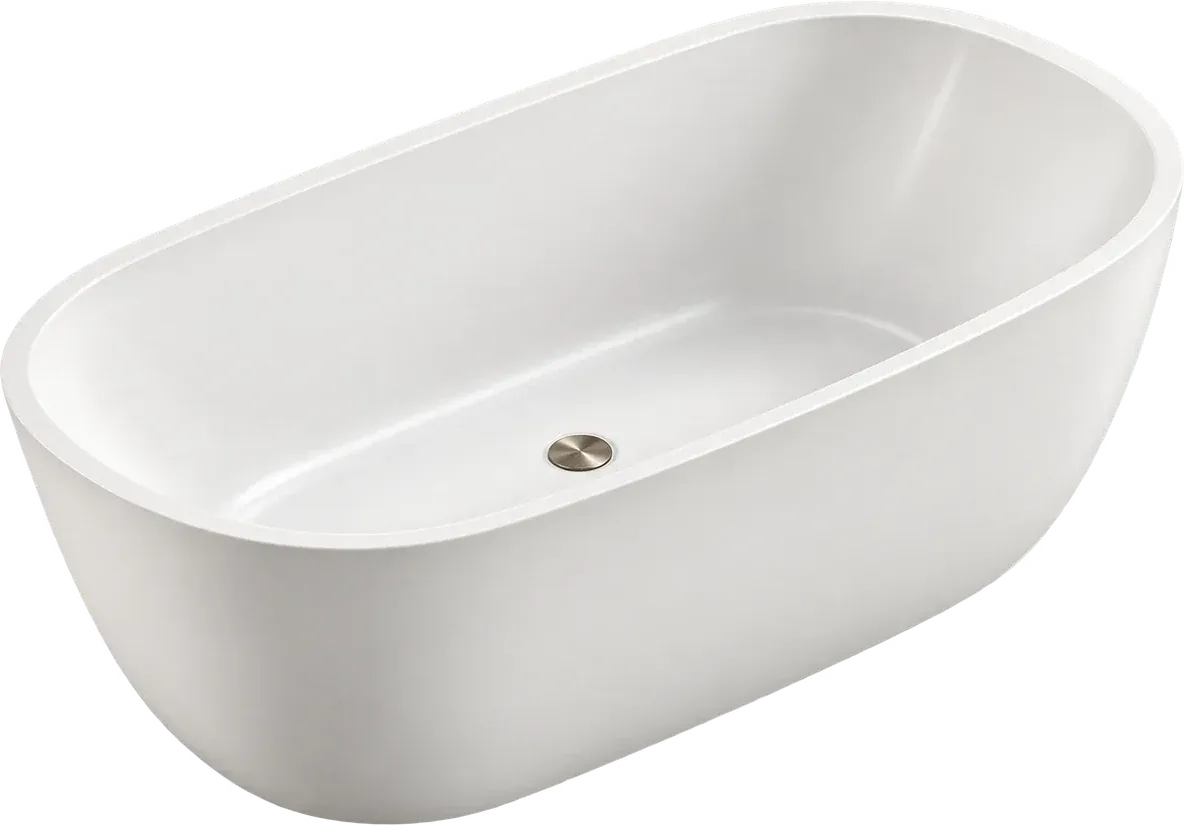
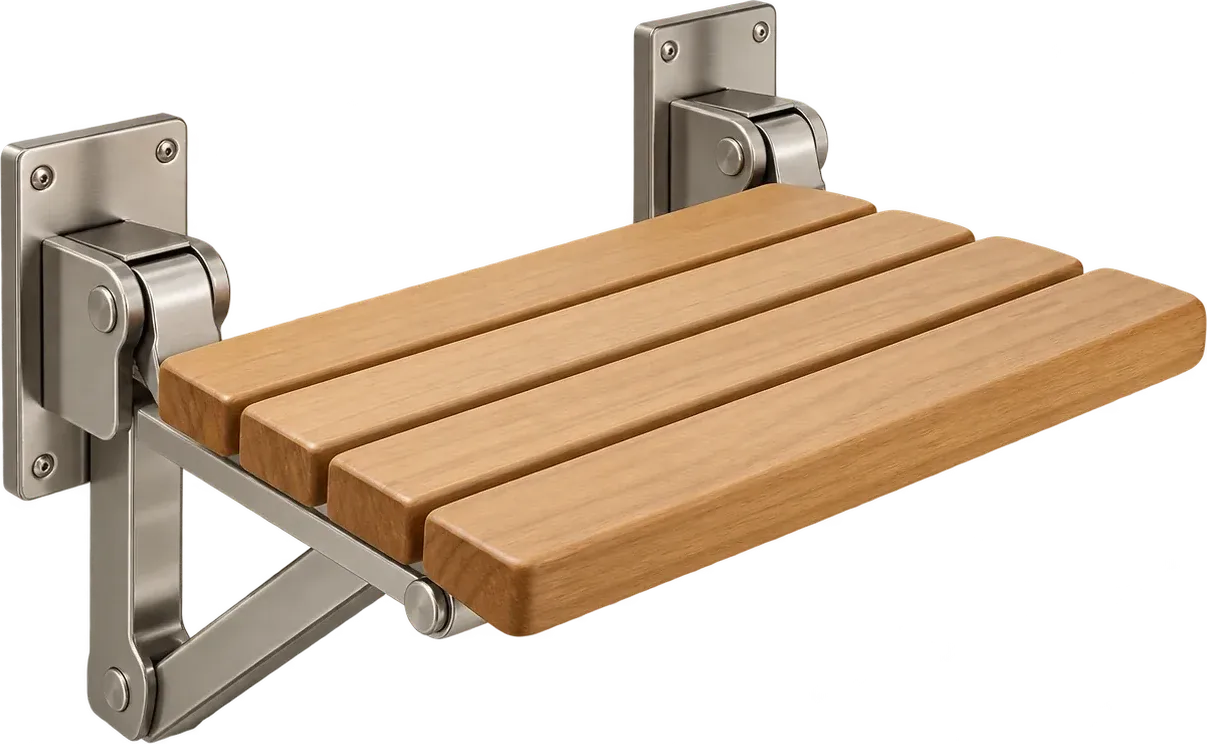
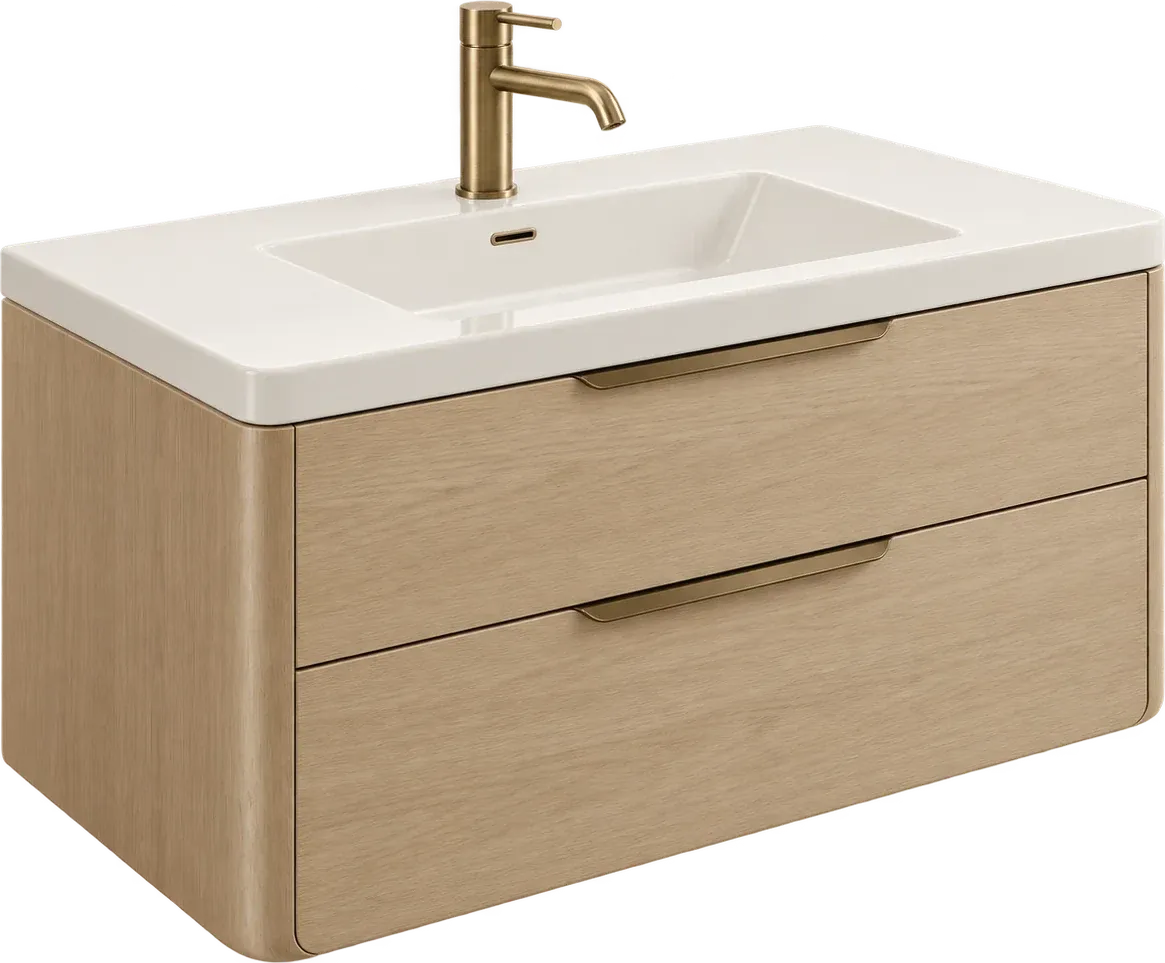
A design preview, not a price. Pick the wall, tile, floor, bath or shower, vanity, metal and light, start from a look or shuffle, then send your picks with your project.
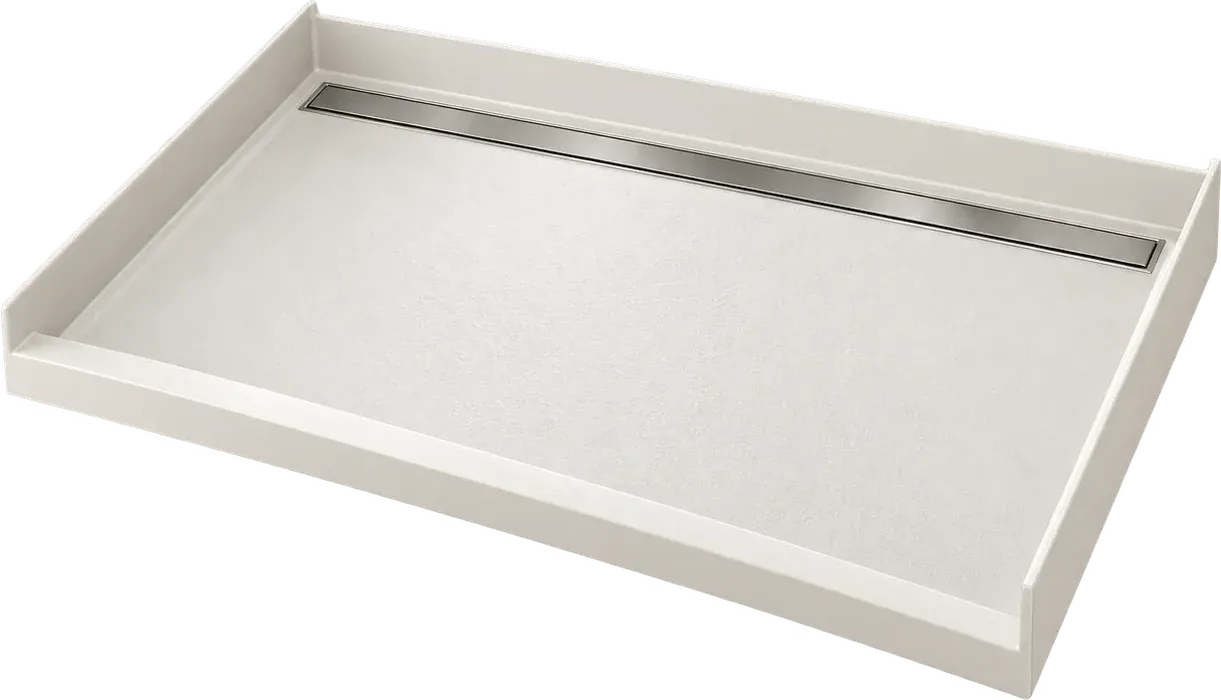
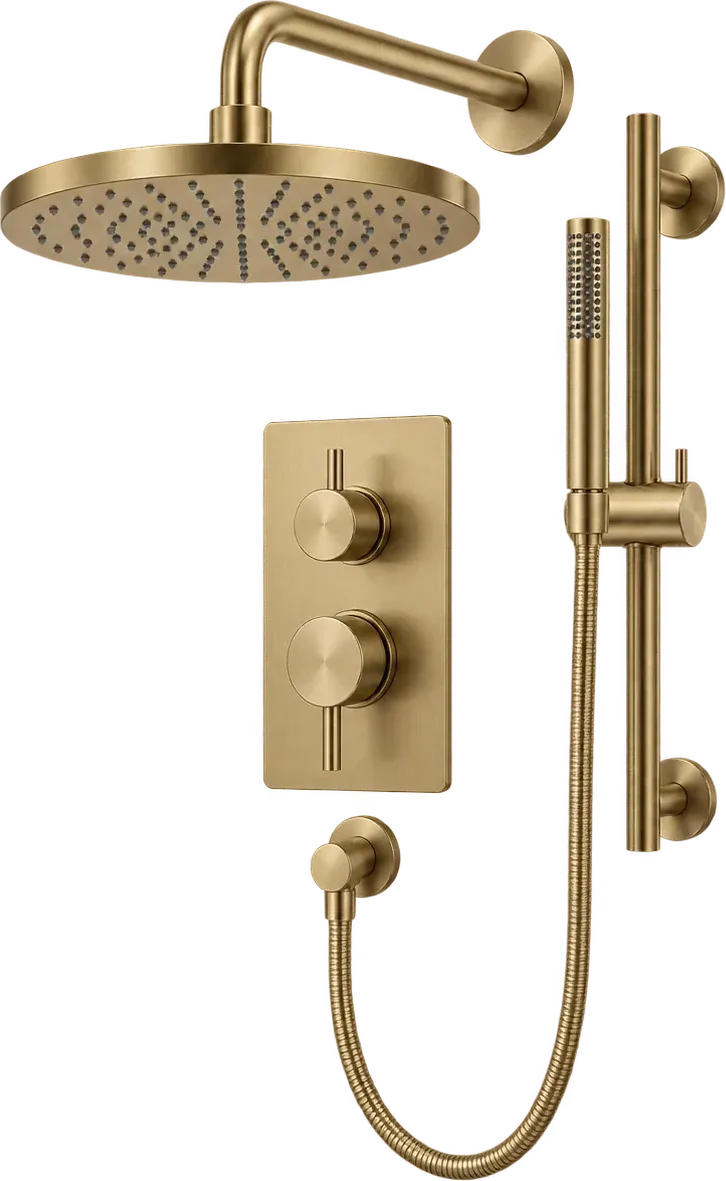
01Wall colorIvory plaster
02Shower wall tileFluted ivory
03FloorHoned stone
04Bath or showerWalk-in shower
05VanityFloating oak
06Metal finishBrushed brass
07LightMorning sun
Wall color: Ivory plaster · Shower wall tile: Fluted ivory · Floor: Honed stone · Bath or shower: Walk-in shower · Vanity: Floating oak · Metal finish: Brushed brass · Light: Morning sun
104 questions
Questions people ask
Still have a question? Call (747) 243-2089 and describe the bathroom.
01Can I tile over existing tile?
Sometimes, if the old tile is stuck well, the substrate is sound, and the added height does not break the door, the drain or the valve trim. In a shower it is rarely a good idea. The waterproofing behind the old tile is the part that failed, and covering it hides the problem.
02Is porcelain better than ceramic for a bathroom?
Porcelain has lower water absorption and a harder body, so it holds up on a floor and in a shower. Ceramic is softer, chips more easily at an edge, and belongs on a wall. For a Mesa floor, porcelain in a matte finish is the safer buy.
03How do I clean hard water spots off tile?
Use a mild acid cleaner on porcelain or ceramic, let it sit a minute, then rinse and dry. Do not use acid on marble or travertine, because it etches the surface. A squeegee after every shower does more than any cleaner. For grout haze, a nylon brush and a pH neutral cleaner are enough.
04How long does a bathroom tile job take?
A floor and a tub surround often run about a week of on site work. A full shower takes longer because of the waterproofing, the flood test and the cure time before grout. Add a day or two when the substrate needs repair. The schedule is driven by dry time, not by how fast tile can be set.
11Keep reading
Related
- Shower remodeling in Mesa: for the waterproofing and pan work behind the tile.
- Bathroom vanity installation: when the top and backsplash are in the same job.
- Bathroom remodeling in Mesa: for the full room scope.
- Bathroom remodel cost in Mesa: for published ranges by scope.
- All services: for the full list.
- Contact: to describe the room and ask a question.